
On the spot
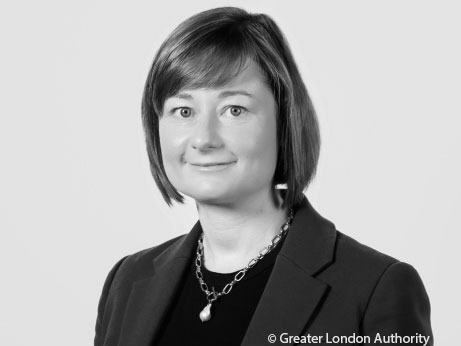
Felicity Appleby
Mayoral Director for Political and Public Affairs at Greater London Authority
Member of the Executive Committee of the World Union of Olympic Cities
June 2026
London will host the 2026 Olympic legacy trip of the World Union of Olympic Cities. The Union warmly thanks you for welcoming its Members. What would you like to share with them at this stage as a preview of the visit?
We are absolutely delighted to welcome members of the World Union of Olympic Cities to London. This visit offers an opportunity not only to showcase our Olympic legacy but to have an open exchange on what it means to sustain that legacy over time. Delegates will experience first-hand how the transformation of East London continues to create opportunities for communities, from world-class sporting venues to vibrant neighbourhoods, cultural institutions, and green spaces. We will also share how partnerships, across government, communities, and the private sector, have been central to delivering long-term impact. Above all, we hope this visit will be an inspiring collaboration. London does not see itself as having all the answers, but as a city eager to learn and to share practical insights with peers around the world.
London is the only city to have already hosted 3 editions of the Summer Olympic Games: 1908, 1948, 2012. Olympic legacy is very present and visible in the city. How does London build on this success and continue to activate its legacy?
London’s unique Olympic history gives us a long-term perspective on legacy. While each edition reflected its era, what connects them is a commitment to using the Games as a catalyst for wider societal and urban benefit. Since 2012, we have focused on embedding legacy into everyday life, ensuring venues remain accessible, encouraging community sport participation, and supporting the ongoing regeneration of East London. The Queen Elizabeth Olympic Park, for example, is no longer just a sporting destination; it is a thriving place to live, work, study, and visit.
London is a true sports city and has developed a multifaceted sports policy that combines sound grassroots and inclusive programmes with the hosting of major sporting events. How does this comprehensive approach contribute to the city’s development strategy and to the promotion of sport and physical activity for citizens?
The Mayor believes sport to be a powerful tool for achieving social, economic, and health outcomes. By aligning grassroots participation with major event hosting, we create a virtuous cycle where inspiration from world-class events translates into increased everyday activity. Our policies aim to remove barriers to participation, particularly for underrepresented groups, and to ensure that sport contributes to healthier, more connected communities. At the same time, hosting major events continues to drive investment, tourism, and international visibility for the city. This integrated approach supports London’s broader development strategy by linking physical activity to public health, urban regeneration, skills development, and community cohesion.
What would you like the Union’s Members to return home with after their visit to London, in terms of both memories and inspiration?
I hope delegates leave London with a strong sense of how legacy can be both tangible and human. The venues and infrastructure are important, but it is the communities, partnerships, and long-term vision that truly define success. We hope to demonstrate that legacy is not a single moment or a fixed outcome, rather it is something that evolves through deliberate action and shared responsibility. If visitors return home with new ideas, strengthened partnerships, and a renewed sense of ambition for what sport can achieve in their own cities, we will consider the visit a success.
As a Member of the Executive Committee of the Union representing Greater London Authority, what are your expectations regarding the Union’s role and activities, and what contributions would you like to make to its work?
The World Union of Olympic Cities plays a crucial role as a platform for collaboration, knowledge exchange, and collective ambition. I see its value in bringing cities together to share practical lessons, address common challenges, and amplify the impact of sport as a force for good. My expectation is that the Union continues to strengthen these connections and to champion innovation in legacy, sustainability, and inclusion. There is significant opportunity to deepen collaboration between cities at different stages of their Olympic journey. On a personal level, I look forward to continuing to support initiatives that enhance knowledge sharing and help ensure that the benefits of hosting major sporting events are felt widely and equitably across communities.